TRAFFIC
AND INTERVENTION
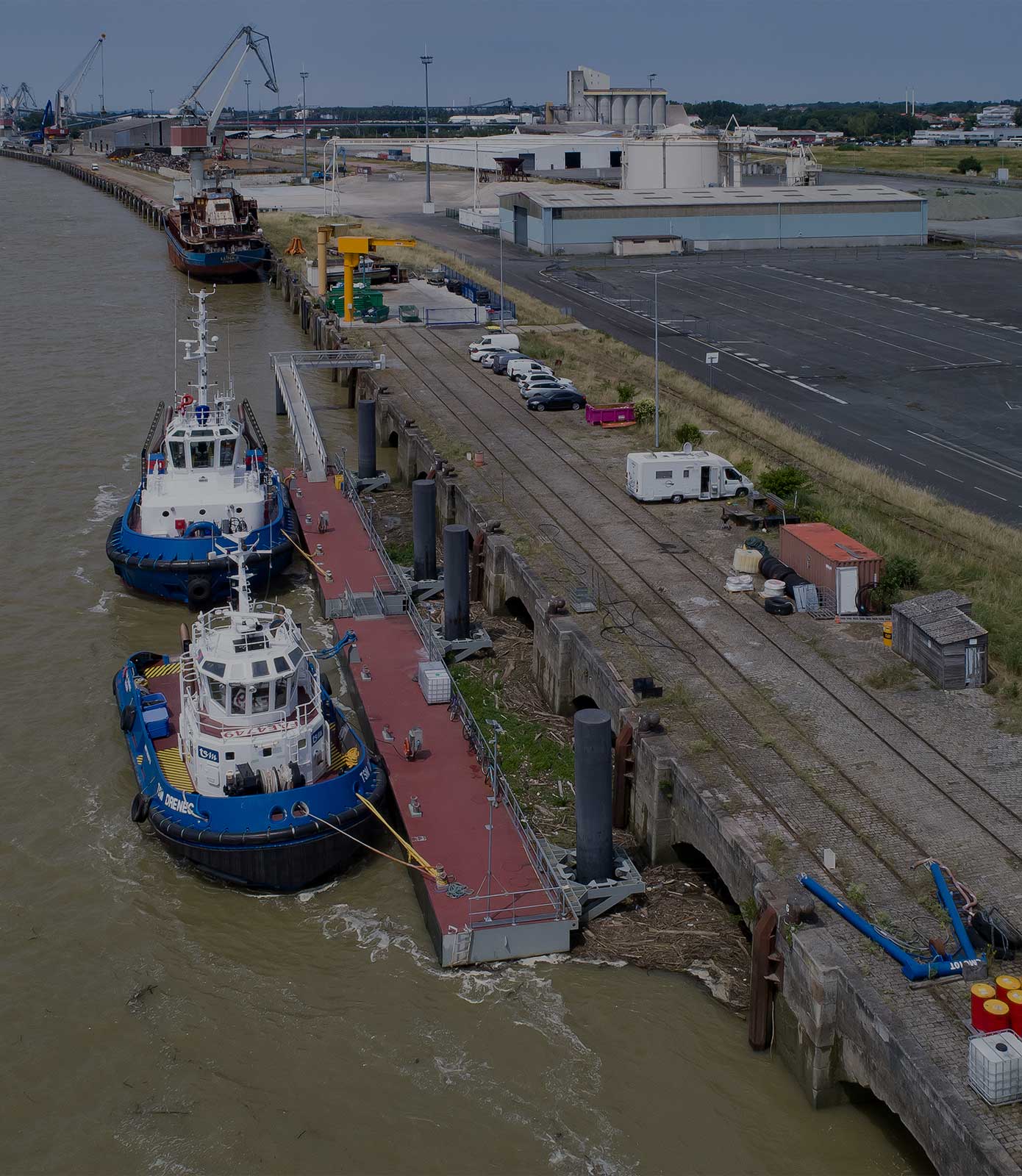
The Port of Bordeaux's terminals are home to a wide range of activities, which can succeed one another, cross paths and often learn to share the same spaces.
A few simple rules, however, can help keep interference under control and guarantee safety for all.
SAFE HARBOR TRAFFIC
The Highway Code applies to all internal traffic lanes in port areas. Road markings and police signs indicate priorities.
Unless otherwise indicated, the speed limit is 40km/h for light vehicles and 20km/h for heavy goods vehicles.
Docks and platforms are not traffic lanes, and handling is a priority. Service roads provide access to the quays from the traffic lanes.
Vehicles may not be parked on railroad tracks or within 1.50 m of them.
Crane, traffic and service lanesmust be kept clear at all times.
It is strictly forbidden for any vehicle to drive or park on the electric channels supplying the cranes at the quayside.
Persons not involved in the operation are forbidden to walk on the platforms and handling areas. Reflective clothing and safety shoes must be worn in these areas.
Access to buildings, hangars and marked areas is forbidden without authorization.
To avoid the risk of falling into the water, pedestrian traffic is - unless specific measures are taken - forbidden within 1.50 m of the edge of the quays.
For everyone's well-being and respect for the environment , garbage dumping and truck cleaning are forbidden in port areas.
INTERVENING IN A PORT AREA
Any intervention in a port area is subject to prior authorization by the client.
Before any work is carried out, a risk analysis must be carried out between the operator and the client.
Depending on the case and in compliance with applicable regulations, this analysis will be formalized in a prevention plan, a loading/unloading safety protocol or a specific health and safety plan.
Preventive measures specific to the operation and integrating the risks associated with the port environment will then have to be implemented.
These measures must be approved in advance by the contractor, the client and the site manager.
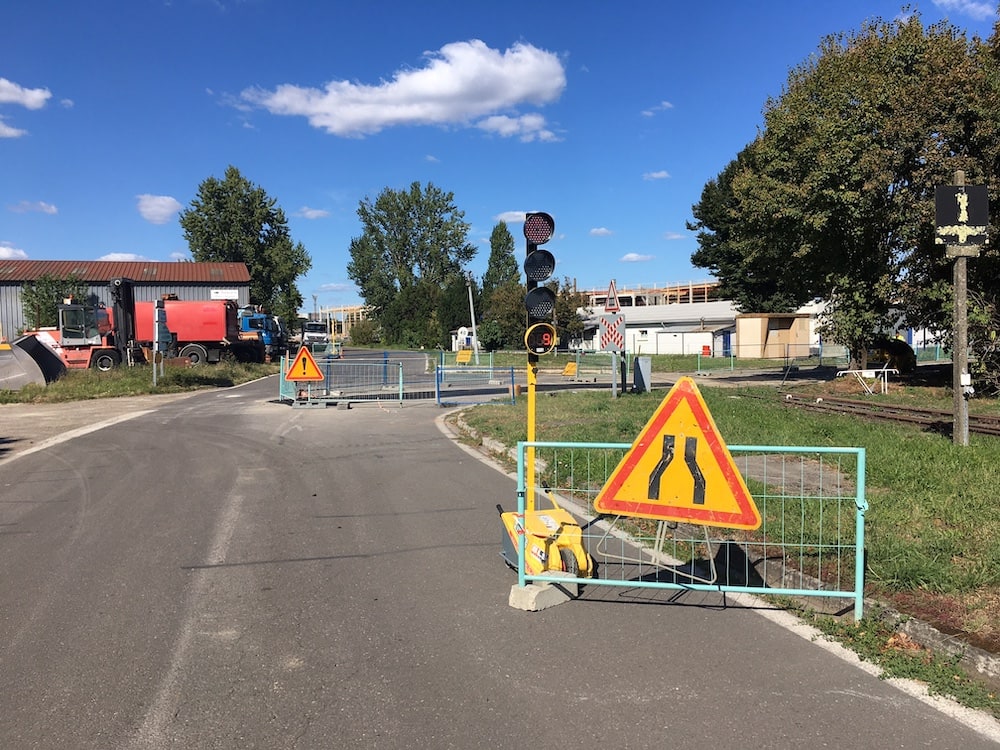
In particular, any work carried out in the port area must be marked out in accordance with the environment, the nature and the duration of the work.
SAFETY AND SUMMER BROCHURE
See the brochure below: