FILLIÈRES & TRAFFIC
Bordeaux Port, a strategic gateway
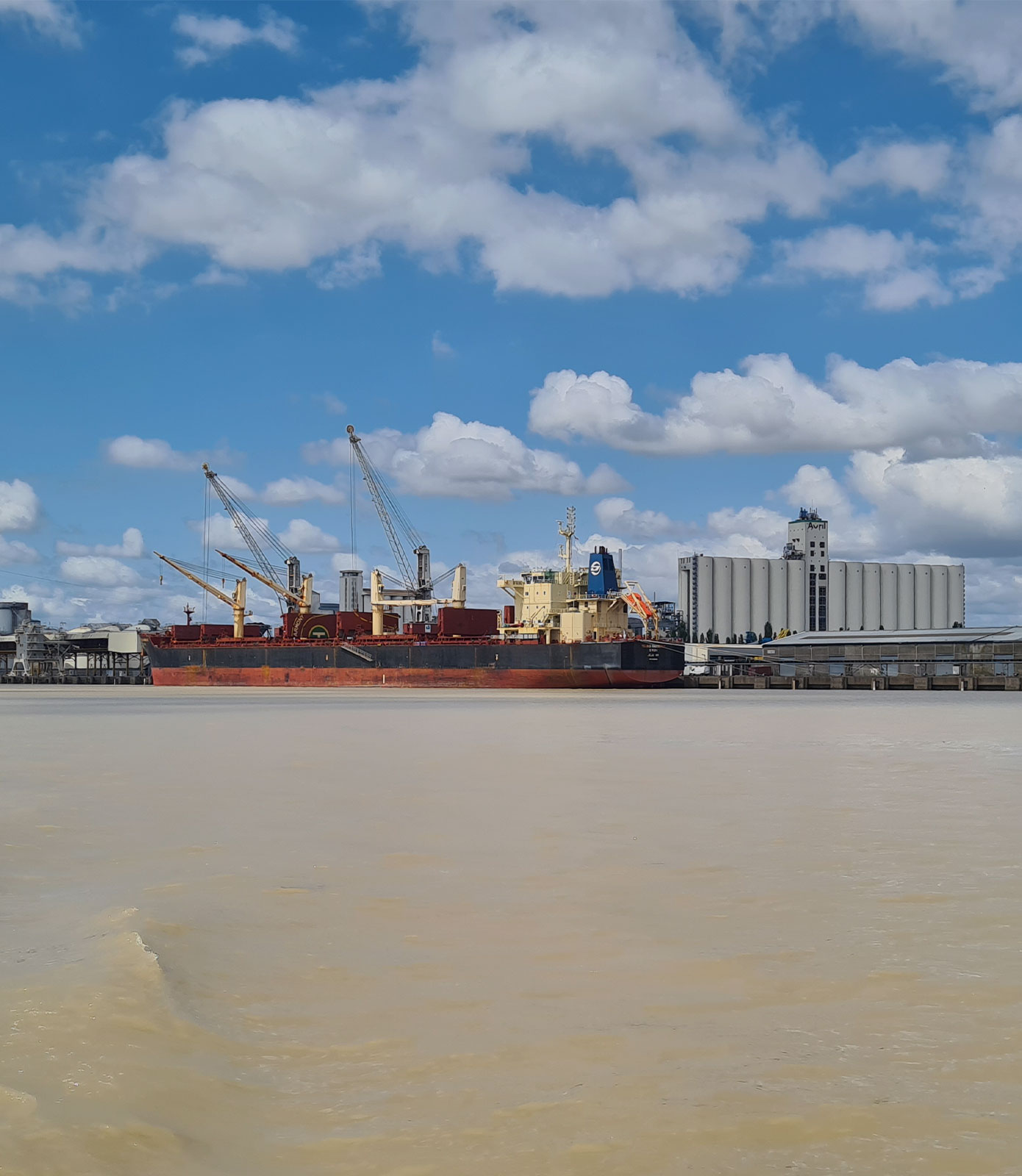
As a gateway to the metropolis and the New Aquitaine region, Bordeaux Port also offers access to the whole world for the resources and production of the Greater South-West (local industries).
Serving its region, Bordeaux port :
→ plays an active role in building a low-carbon future through investments that support its region's energy transition.
→ federate the various industrial players and local authorities to attract and structure new industries (industries of the future) linked to renewable energies and a new ecological model.
The port's channels fall into 3 categories:
These industries concentrate various product families that pass through port facilities every year: exports of cereals, wood, paper, wine, energy products, recycling products, imports of raw materials for the chemical and energy industries...
To efficiently handle both traditional and new traffic, the Port of Bordeaux has 7 specialized terminals:
・Le Verdon,
・Pauillac,
・Blaye,
・Ambès,
・Parempuyre,
・Bassens
・and Bordeaux.
Every year, the Port of Bordeaux invests alongside the private companies present on its terminals to improve its competitiveness while preserving the environment.
Modern handling equipment:
Vertical handling activities at the Port of Bordeaux are handled by its subsidiary B.O.P, Bordeaux Opérations Portuaires, through :
→ a large fleet of cranes, available at the Bassens terminal, including the Mantsinen 300, the latest generation of hydraulic and electric cranes.
Base sectors
The core sectors correspond to the port's historical sectors, the main products imported and exported from the port, representing the fundamentals of its activity for several decades and nearly 80% of its annual traffic.
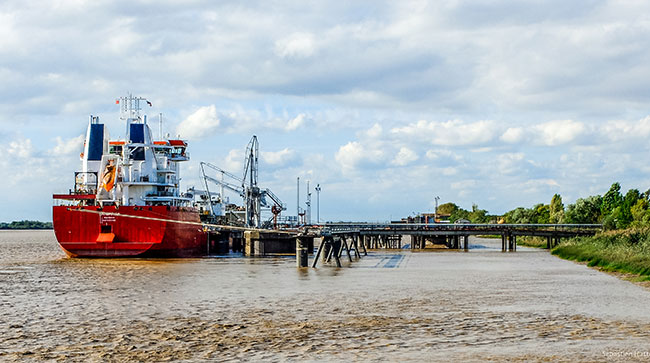
The carbonated energy bulk sector includes all traffic related to petroleum products.
The Port of Bordeaux handles between 4.2 and 4.7 million tonnes of hydrocarbons every year , 90% of which are imported and 10% exported. This sector represents over 50% of the Port of Bordeaux's overall traffic.
A wide range of products are imported (gasolines, gas-oils, jet fuels, domestic fuels, fuel-oils, LPG, bitumens, biofuels or crude oils), and unloading capacity is available in Pauillac, Blaye and Ambès.
The Port of Bordeaux is the most important hydrocarbon hub in the South-West region.
Chemicals, for their part, are essentially centralized on the Ambès and Bassens peninsulas, and constitute one of the two major clusters in the Nouvelle-Aquitaine region.
With an average of 100,000 tonnes of goods imported each year (excluding ammonia), the products received are diverse and varied (methanol, butadiene, tall oil, other basic chemicals).
Coal, petroleum coke and peat... these products make up the Port of Bordeaux's mineral fuel sector, which is essentially made up of coal and petroleum coke.
Coal, an organic plant material, is used in industry. Petroleum coke is a by-product of oil refineries.
The constraints associated with competing energies (rising oil and natural gas prices) and the abundance of coal reserves around the world mean that coal remains a competitive industry, facing major environmental challenges.
Bordeaux Port intends to consolidate this sector by offering an alternative to road transport and supporting manufacturers in their energy transition.
The fertilizers and raw materials sector is one of Bordeaux Port's major traffics, with around 600,000 tonnes a year, or 7% of total tonnage.
The importance of the industry is directly linked to the highly agricultural nature of the Aquitaine region. Bordeaux Port handles a wide variety of fertilizers, requiring a certain level of expertise in ship unloading and storage.
With around 300 kt of manufactured fertilizers imported every year, the port specializes in receiving dry fertilizers such as urea, potash and other liquid fertilizers like nitrogen solution.
Ammonia is currently imported exclusively by sea for processing into fertilizers. A significant increase in imports is expected in the coming years, with exemplary GHG emissions at European level.
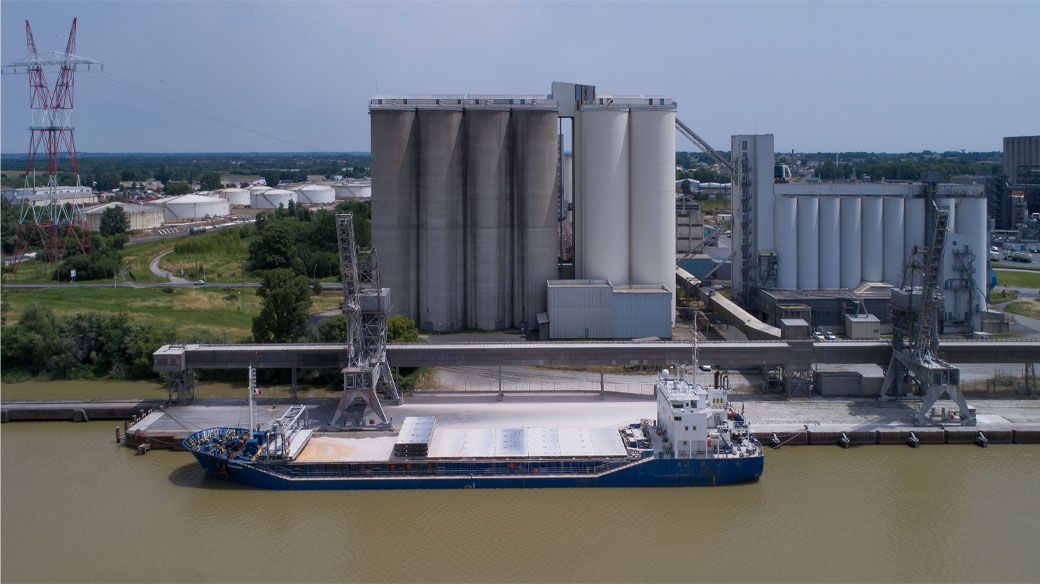
The cereals sector includes commodities such as corn and sorghum, as well as straw cereals such as wheat and barley. Maize remains by far the most widely grown cereal in the South-West, with export volumes varying between 300,000 and 500,000 tonnes from Bordeaux, depending on the season.
At the heart of the Nouvelle-Aquitaine region, a major cereal-growing area, the Port of Bordeaux is a privileged partner of the cereal and oil-protein industry, which accounts for around 15% of its annual traffic.
Bordeaux Port mainly concentrates its usual importers in border areas in Europe and the United Kingdom. These new markets, combined with the quality of the cereals produced, are a guarantee for multi-cereal operators to develop strategic trade and traffic for the future.
Opportunities are leading operators in the Port of Bordeaux to receive 20,000 to 35,000-ton vessels for seed imports. A benchmark in the oilseed industry, the Bassens site stands out for its multimodal logistics.
The seeds, which arrive by ship, truck or train, are unloaded and then crushed at Bassens. Part of the oil produced is then used to manufacture biofuel, which is in turn exported by sea.
Cement, clinkers, slag, refractory earth, shredded tires, liquid, solid or dry bulk goods... all industrial traffic that finds its place at the Port of Bordeaux.
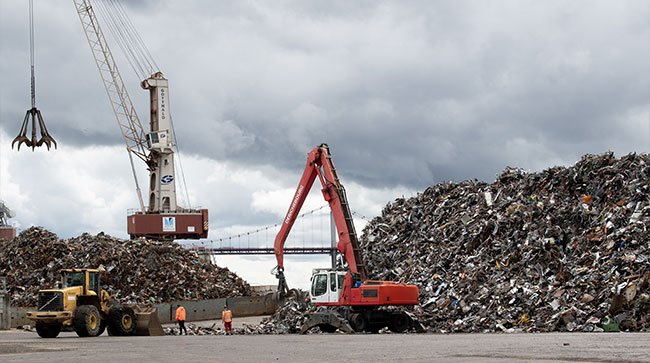
The Port of Bordeaux is also developing traffic in "second life" products: shredded tires, crushed glass, scrap metal, some of which comes from ship dismantling.
These new activities meet Bordeaux Port's environmental objectives. Indeed, the development of waste recovery processes relies on clean, mass transportation.
The Garonne and the port are gradually regaining their place in discussions on the structuring of these sectors. Bordeaux Port is committed to supporting the development of clean river and sea port activities.
The Bassens site is also one of only 18 dismantling sites in the world approved by the European Union (ICPE Installation Classée pour la Protection de l'Environnement), and the largest in France.
This award recognizes the excellence of the achievements, skills, procedures and equipment of the Bordeaux Port recycling center.
Local industries
The territory's sectors express its specific characteristics and the way it uses port infrastructures.
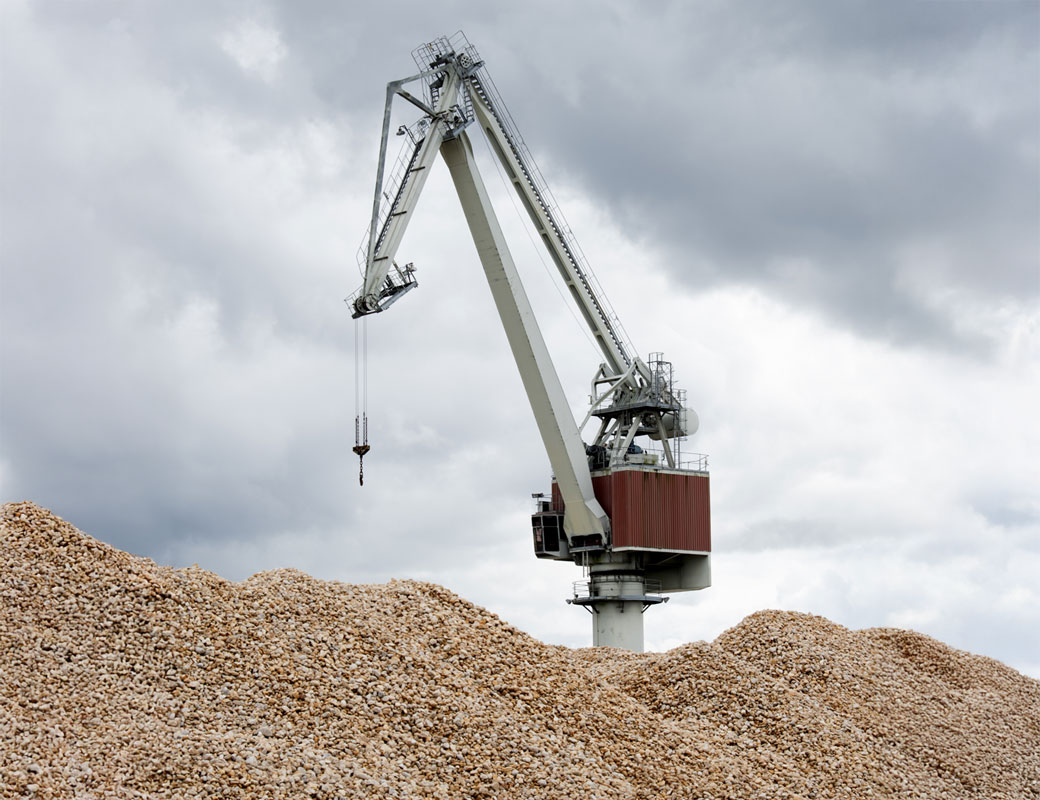
Inland and maritime aggregates account for a significant share of traffic at the Port of Bordeaux, which intends to boost the competitiveness of this sector.
The attractiveness of the Bordeaux metropolis is generating a growing need for housing and infrastructure.
Gironde consumes more aggregates than it produces, and must therefore find distant sources of supply.
These deficits are at the origin of a significant amount of aggregate road traffic, which represents nearly 25% of freight traffic on Aquitaine's roads.
As a result, sea imports complement the supply from land-based quarries and alluvial quarries.
Maritime supplies are the least polluting per tonne transported, and the Port of Bordeaux's focus on alternative products is a response to the need to reduce greenhouse gases for the Bordeaux conurbation, the Département and the Region.
The port of Bordeaux also exports high-purity quartz, all of which is pre-routed by rail from the Lot-et-Garonne region.
This sector includes building materials, cement and slag (used in the cement manufacturing process).
Bordeaux Port thus provides direct service to end-users in the Aquitaine region and the Bordeaux metropolitan area, where the construction sector is in high demand.
Today, sea imports of slag are a virtuous circle, since once the goods have been unloaded, they are transported from Bassens to Toulouse by rail.
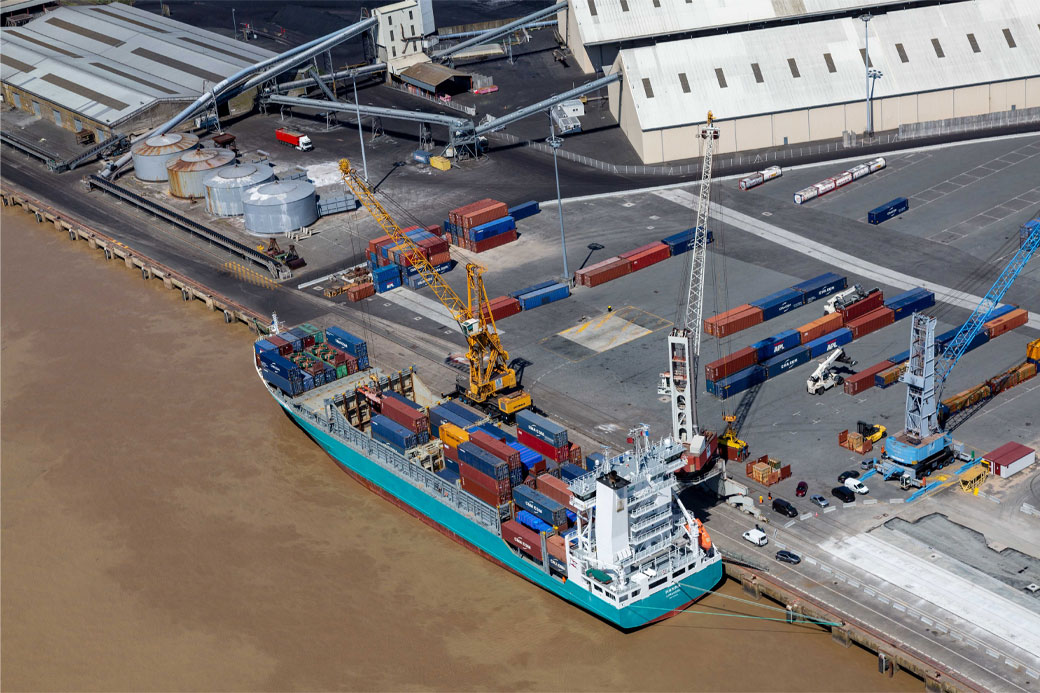
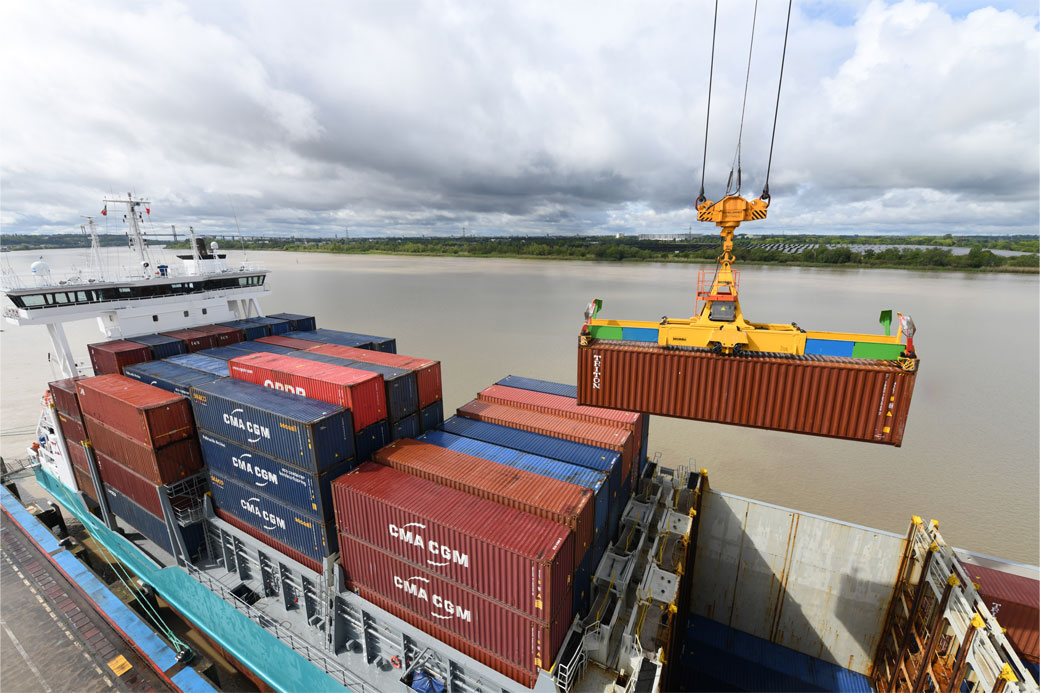
A high value-added business for the port, container traffic also reflects the industrial and commercial activity of the greater South-West region.
The Port of Bordeaux is the only port in the Nouvelle-Aquitaine region to handle container activities.
Global reference operator CMA CGM calls at Bassens every week with a feeder connected to European hubs, serving more than 300 ports worldwide every week with reliable, regular lines tailored to industrial and commercial demand.
The Bassens container terminal, in the immediate vicinity of the city of Bordeaux and major transport routes, boasts a 10.5 m draught, 2 container berths, 2 high-capacity cranes and container outlets.
Port passage is just a click away at the Port of Bordeaux!
All port passage formalities are simplified: berth requests, customs clearance, port dues declarations, etc. Regulatory compliance is guaranteed by the full integration of industry-leading software: VIGIEsip, CI5, DELTA, etc.
Charge in Bordeaux and save:
Loading your containers in Bordeaux means saving on pre-transport costs, helping to reduce the carbon footprint of the product transported, saving time on customs clearance, and contributing to the reliability of the logistics chain. The Port of Bordeaux is also equipped with a Border Control Station at the Bassens terminal.
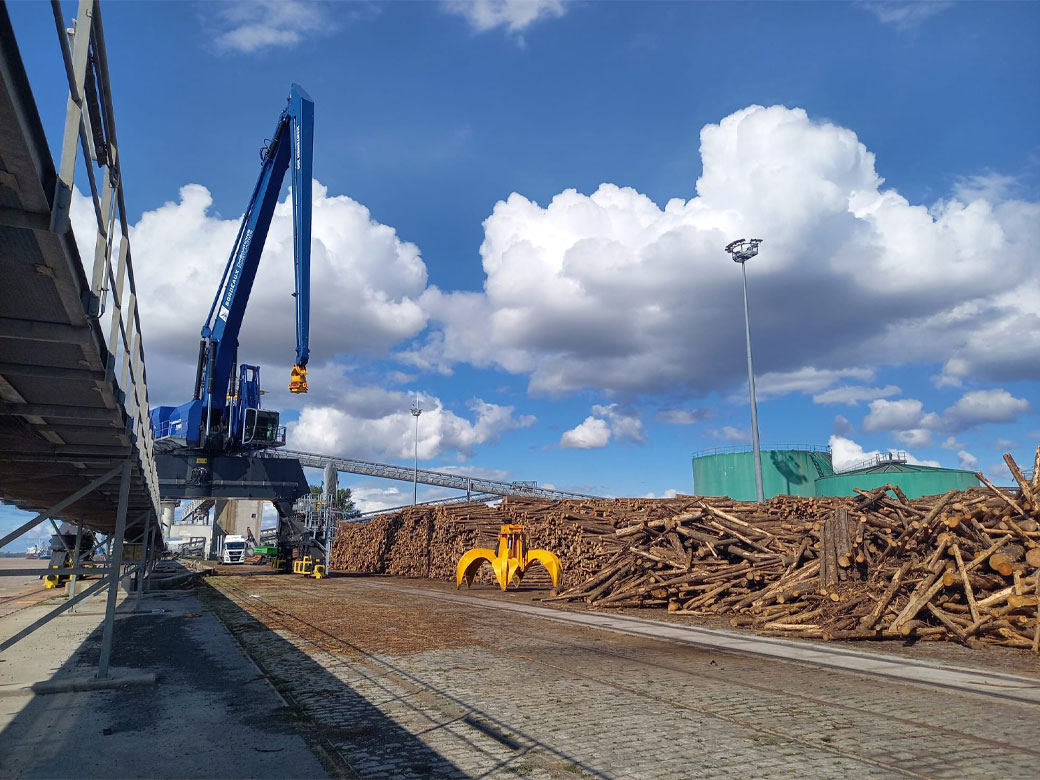
A historic and competitive sector, the timber industry is made up of 3 segments:
・Lumber
・Industrial timber
・Wood energy
Historically, the Bassens terminal has been home to a number of players in the timber industry, importing and exporting wood from all origins and for all uses.
These include timber, mainly transported in containers, industrial wood to supply paper production units in the Nouvelle-Aquitaine region, and wood energy - fuel in the form of pellets or chips made from wood industry waste.
The Bordeaux Port Authority is well equipped to meet the challenges of large parts logistics.
Three of these sites are complementary for the reception of heavy or bulky parcels, but can also accommodate new industrial activities, in line with the region's economic orientations.
・Le Verdon: deepwater port, 12.50 m draught, 3 berths, 12,000 m² hangar, extensive land availability
・Parempuyre: terminal on the left bank, for industrial use near the Blanquefort ecopark
・Bassens: a terminal as close as possible to the Bordeaux conurbation and major transport routes
Aeronautics, aerospace, industry, wind power, energy: the Bordeaux Port Authority Authority applies its know-how to the transport of large parts, for all sectors of activity.
Bordeaux Port's infrastructure offers all the equipment and services needed to handle this type of cargo: high-capacity cranes, available land and quayside storage warehouses, suitable quay resistance, experienced port operators.
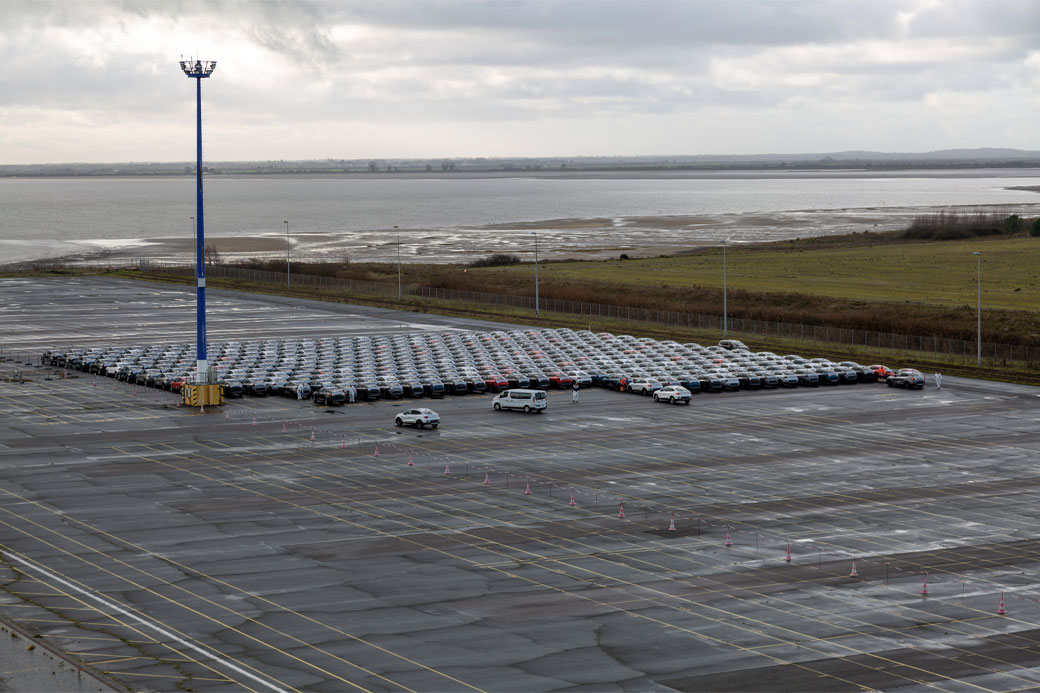
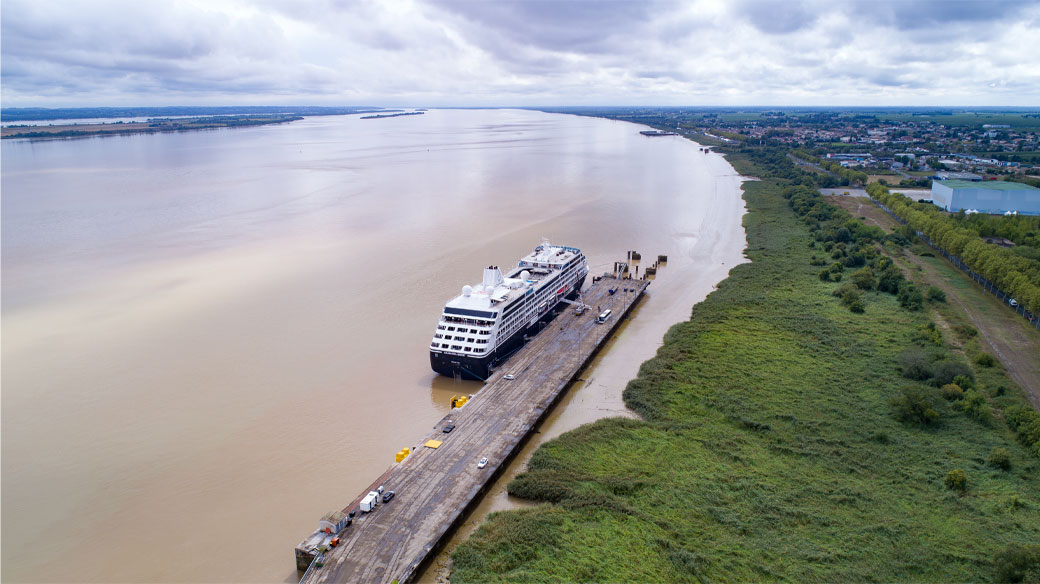
Bordeaux Port welcomes around 65 sea cruise ships a year, with a range of services adapted to different ship sizes and passenger interests, at 3 sites:
Bordeaux center, Parempuyre and Pauillac.
Bordeaux Port encourages "slow tourism" and in-depth discovery of the region, with the possibility of making stopovers lasting several days or visiting several port sites.

Industries of the future
The industries of the future support the transitions and evolutions of the region and the players in the industrial-port complex.
A new business for the Port of Bordeaux, biofuels and second-life materials already account for over 10% of its traffic, and continue to grow at a significant rate of 10 to 15% each year.
Biofuel, produced from oilseeds received by ship or train, is processed in the industrial port zone before being used locally or re-exported by sea.
This growing traffic represents between 5 and 10% of its annual traffic.
A new sector in the Port of Bordeaux, second-life materials such as shredded tires, crushed glass and scrap metal are crushed and ground in the South-West of France before being exported abroad, where they are reused as raw materials or energy sources in a circular economy.
These products are the subject of experiments to revive river freight in order to facilitate their routing to the Bassens terminal prior to export.