FIGURES KEY FIGURES
THE PORT IN FIGURES
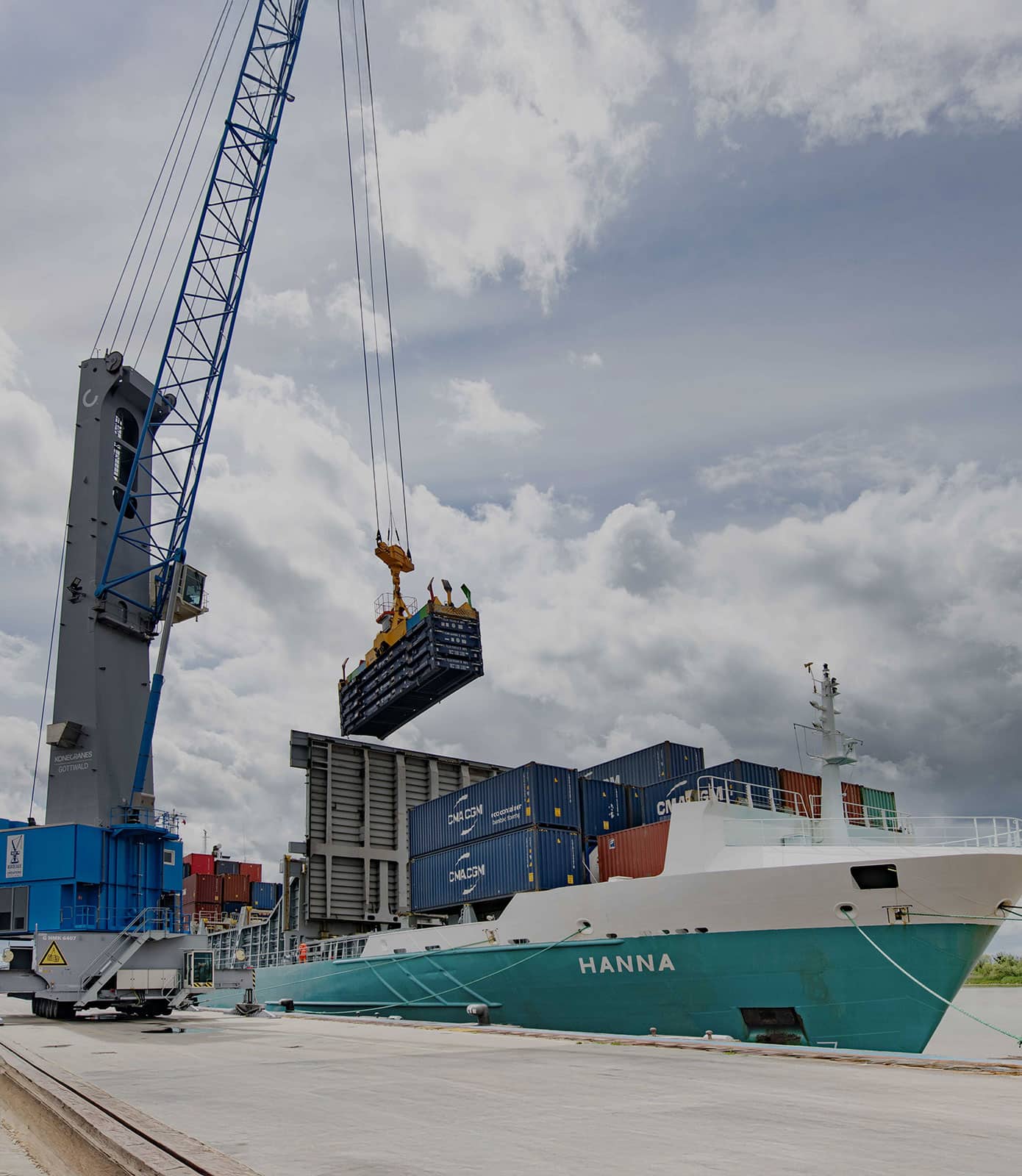
Open to the world and its region, and focused on the trade of tomorrow, Bordeaux Port supports the development of sea and river freight.
The Bordeaux Port Authority is committed to improving multimodality, making its terminals connected, high-performance sites adapted to the needs of shipowners, shippers and the entire logistics chain.
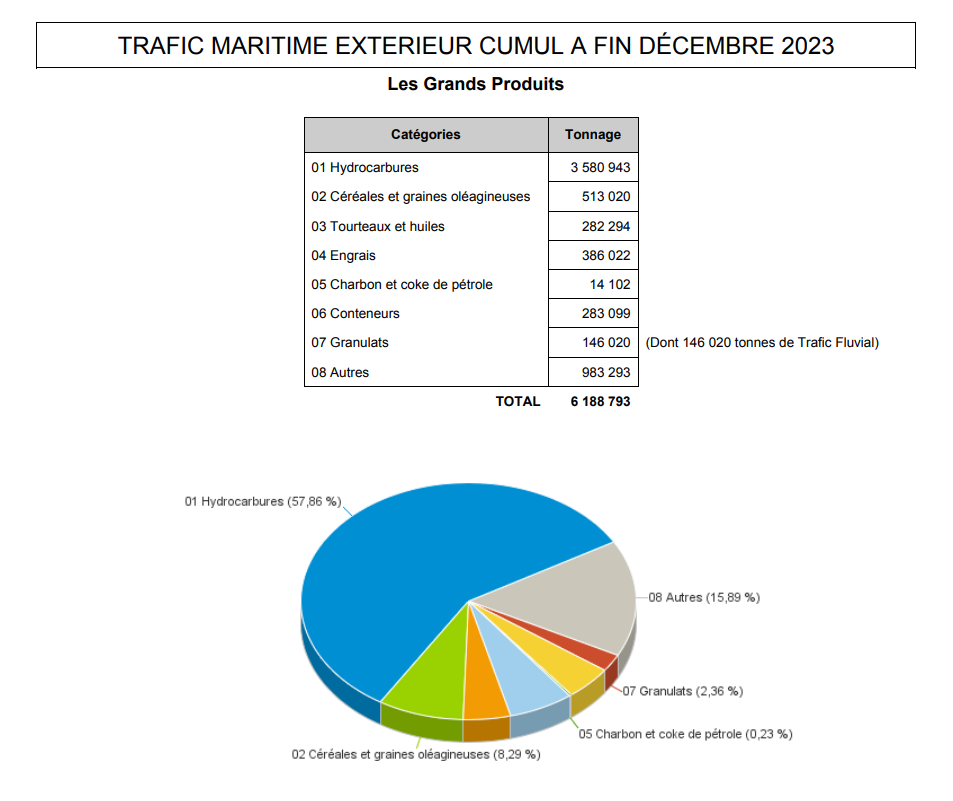
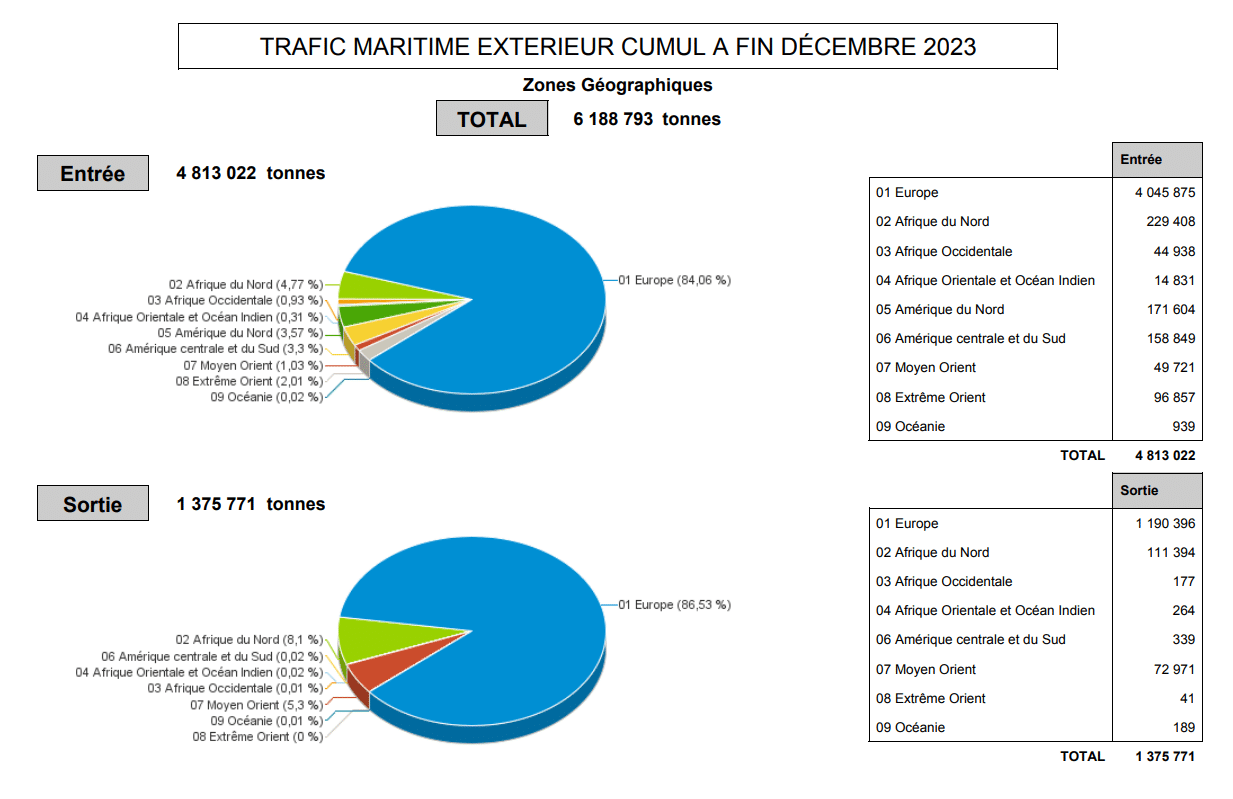
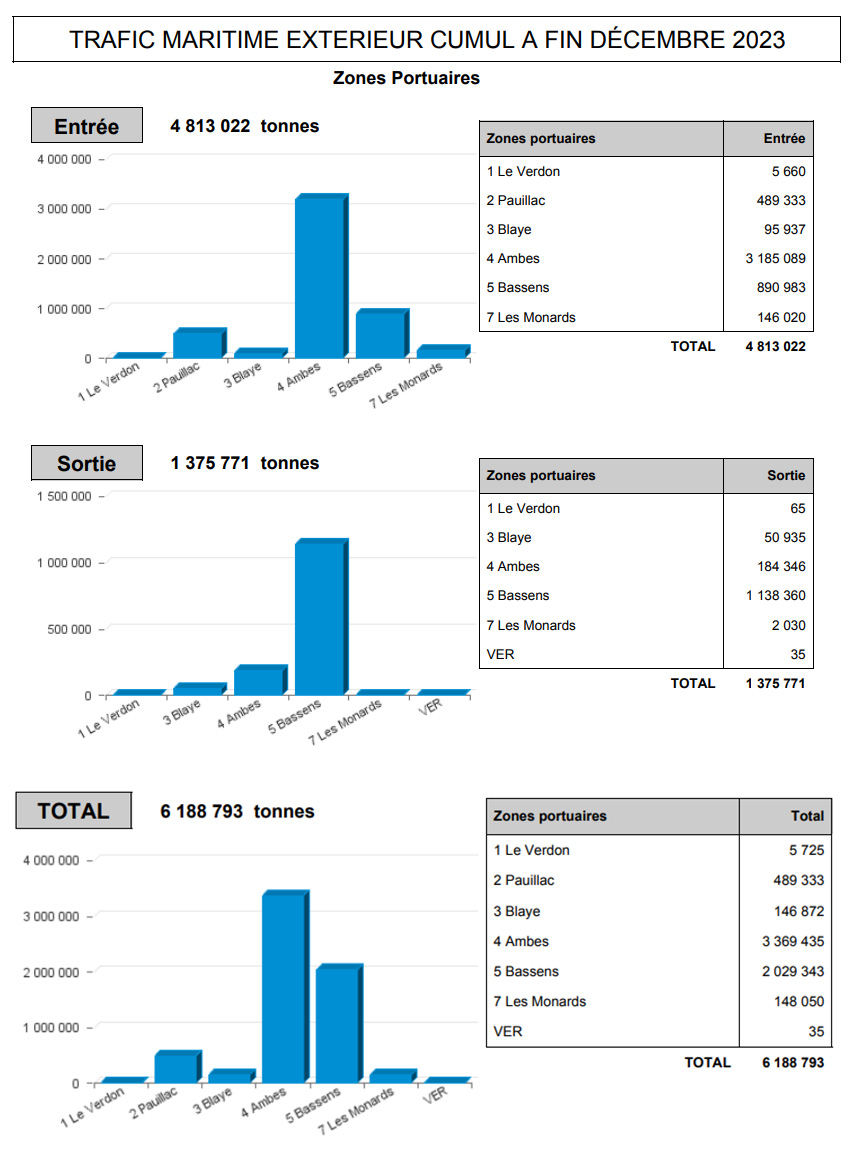
・6,2 millions de tonnes de marchandises ont transité par les quais du port de Bordeaux en 2025 depuis et vers le territoire, soit l’équivalent de 350 000 camions.
・1 706 mouvements de navires ont été enregistrés en 2025.
・84 navires de croisières maritimes ont fait escale dans l’estuaire de la Gironde pour 86 238 passagers.
・212 croisières fluviales et 26 329 passagers.
・200 ships welcomed for all types of ship repair operations afloat and in the dry, including 30 on the slipway.

A MAJOR ECONOMIC ROLE
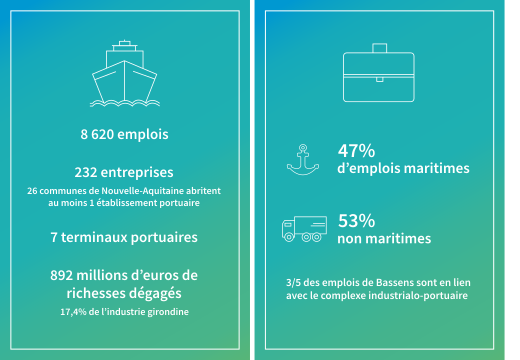
892 million euros of wealth generated, 8,620 jobs in 232 companies:
This is the weight of industrial-port activities in Gironde, according to the latest study from a partnership between Insee and the Bordeaux Port Authority. The analysis (based on figures to the end of 2022) shows that 26 communes in the Nouvelle-Aquitaine region are home to at least one establishment linked to the activity of the Bordeaux industrial-port complex (3/5 of jobs in Bassens).
Non-maritime activities account for 67% of the wealth generated by the complex, notably the chemical industry with 21%. Maritime activities generate 33%, notably the chartering and transport organization sector (14%).
Bordeaux industrial port complex
Job-creating activities :
The Port of Bordeaux makes a major contribution to the regional economy, generating significant spin-offs in terms of jobs and high value-added activities.
Read more about the study here : www.insee.fr/fr/statistiques/8571850
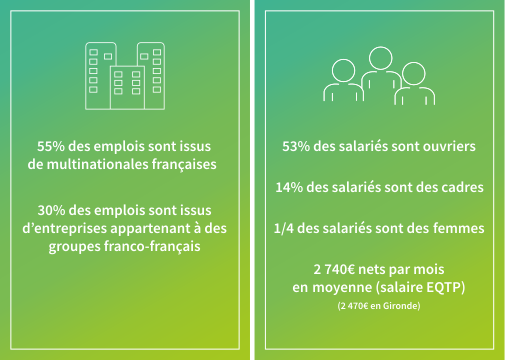
Source: INSEE
Data for 2022
A reflection of the regional economy
As a gateway to the metropolis and the Aquitaine region, Bordeaux Port offers access to the whole world for the resources and production of the South-West region.
In the service of its region, it is actively involved in building a low-carbon future through investments that break with the current model, which is still essentially based on hydrocarbon tonnages.
It brings together the various industrial players and local authorities to attract forward-looking industries focused on new energies and the ecological transition.