PROJECT
STRATEGIC
The Bordeaux Port Authority (GPMB) is a state-owned public body, created under the French Port Reform Act of July 4, 2008.
He is responsible, within the limits of his constituency, for implementing public policies on port planning and sustainable development, in conjunction with the economy, employment and the environment.
Ces missions sont déclinées, pour chaque Grand Port Maritime, en programmation stratégique, d’une durée de 5 ans : ambitions, orientations et actions sont formalisées dans un « Projet stratégique », qui détaille la politique de développement de l’établissement.
Ci-dessous, la version adoptée à l’unanimité lors de la séance du Conseil de Surveillance du GPMB du 27 janvier 2026. Le PS 2026-2030 est en phase de consultation du public : Registre numérique de la consultation.
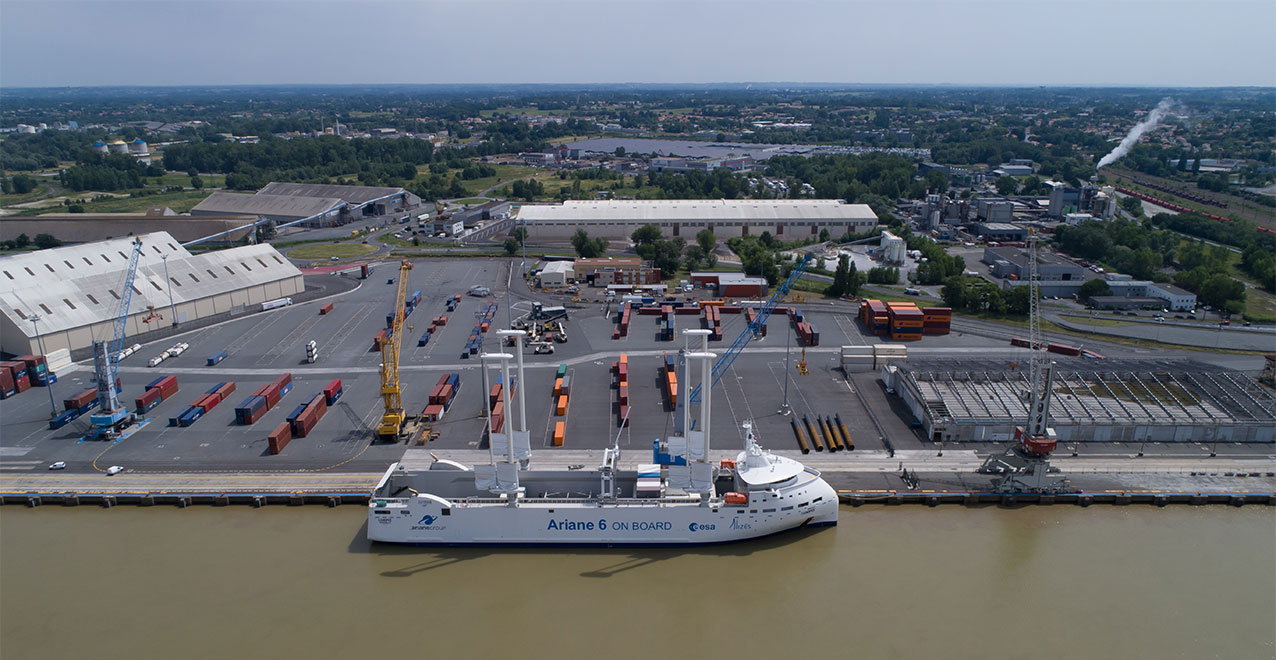
At the beginning of 2025, the Port of Bordeaux's 2026-2030 Strategic Project was the subject of a major internal and external consultation phase with the various stakeholders in the area, through various presentations and workshops, organized around the 3 pillars on which the port's activities are based: commercial port, development port and service provider port.
Bordeaux Port Authority 's activities are based on three interconnected pillars:
・Thecommercial port, focused on the flow of goods, passengers and ships
・Theport developer, involved in port assets, land, real estate, equipment
・Theport as a service provider, promoting internal, individual and collective know-how

The commercial port
The role of commercial port encompasses many activities:
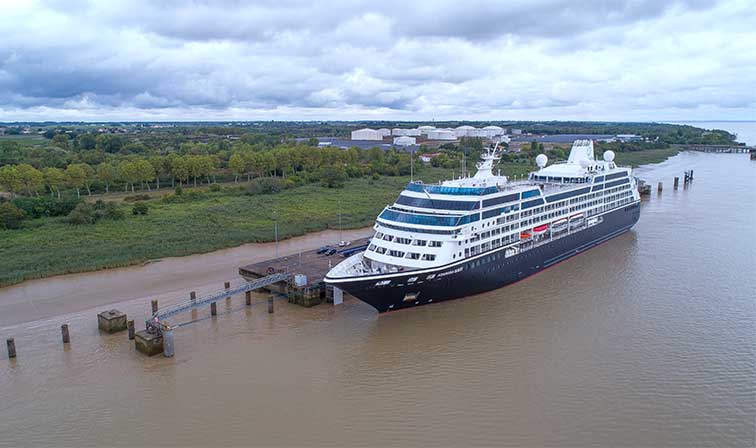
・ Thereception of ships carrying goods or passengers.
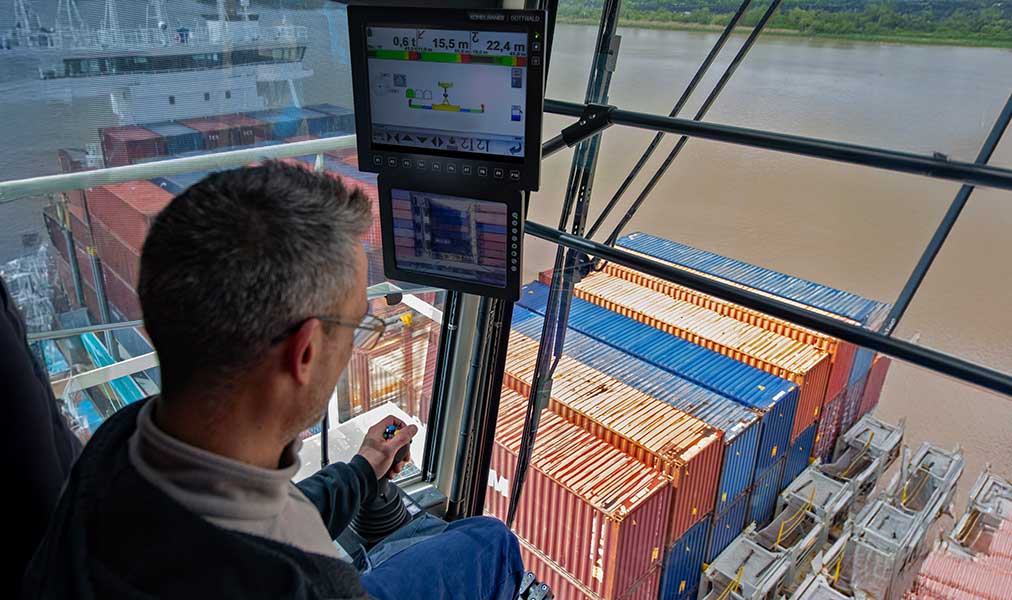
・Managing products in transit at terminals (handling) and port storage (dry and liquid bulk).
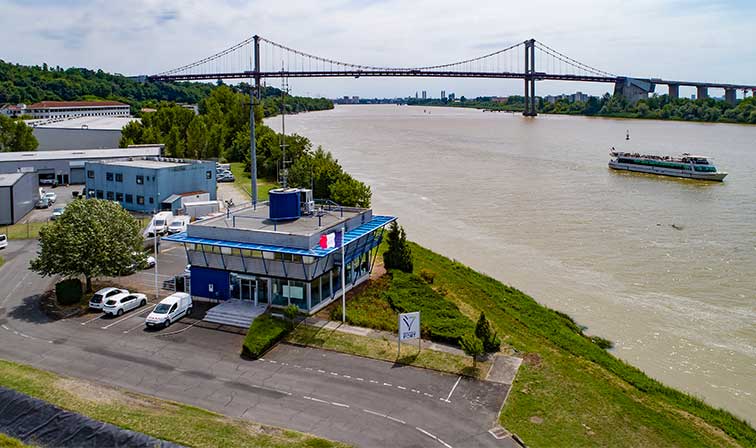
・Safety and security in port areas, provided by the harbor master's office, which oversees commercial shipping on the Gironde estuary.
・Hosting multimodal services thanks to infrastructures connected to major transport networks.
・Dredging operations to maintain the navigation channel.
・Maintenance of port facilities.
The port developer
In terms of development, the port's mission is to manage, develop and enhance its port assets. This includes both port land (some 2,500 ha of urban, port, industrial and agricultural land) and port infrastructures (roads, railroads, navigation channel, quays, forms and locks). This includes :
・Spatial planning and programming at the service of ecological transitions: defining medium-term port mapping, based on choices in connection with ecological transitions.
・Heritage development: development work.
・Heritage maintenance.
The service port
The port service provider's main tasks include :
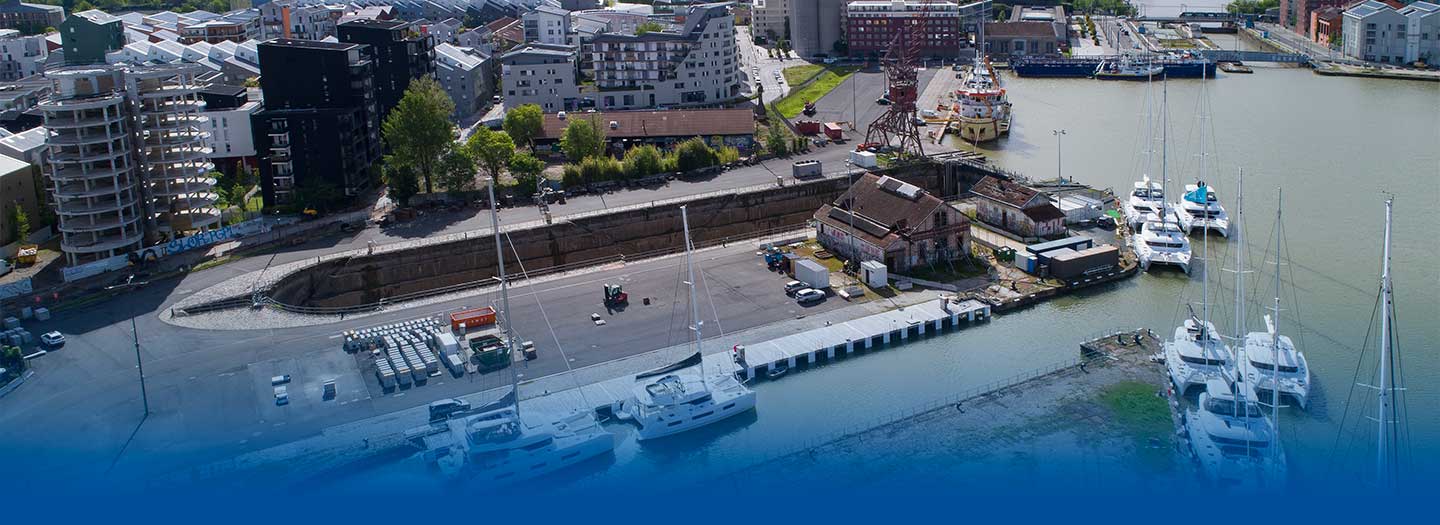
・Ship services, notably with the activities of the naval hub (dewatering, parking, reception of ships for maintenance, repair or dismantling).
・ Port workshop services: maintenance and production operations for the port and for third parties, in their core businesses (mechanical, electrical, boiler-making and carpentry).
・External dredging services: dredging campaigns carried out by GPMB dredgers on behalf of third parties in the Gironde estuary or other French ports.
・Localservices: marina or setting up footbridges.
・Innovative services: digital applications developed by the port (Vigie, Jumeaux Numérique du Fleuve...), and startup support (Technoports).
What next?
After 3 external consultation workshops, each attended by nearly a hundred participants, followed by an internal consultation workshop open to all port employees.
The 2026-2030 Strategic Project is now entering its drafting phase, with the aim of presenting the major future orientations, as well as the usefulness and sustainability of the GPMB, in line with the needs of its ecosystem and the region.
Once the Strategic Project has been drafted, it will be presented to the port's internal bodies (CSE, Conseil de Développement, etc.) for their opinion, before being approved by the Supervisory Board.
The document and its environmental assessment will then enter the regulatory appraisal phase (and will be made available to the public) and will be the subject of several successive opinions (Conseil Scientifique de l'Estuaire de la Gironde, Autorité environnementale, public) before final validation, scheduled for early 2026.